
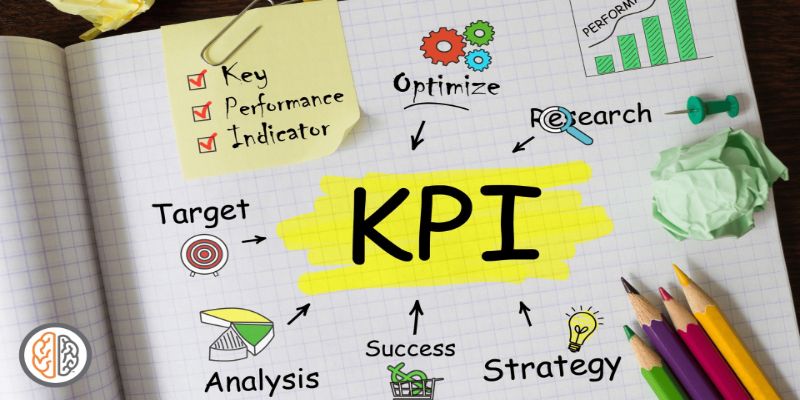
KPI Marketing clarifies what success means, how fast you reach it, and which levers actually move results. It translates brand ambition into numbers the business trusts. Use it to align teams, prioritize budgets, and uncover waste before it grows. At ProEdge, every initiative starts with a measurable definition of winning.
What success looks like with KPI marketing
Teams move faster when they share one definition of success. This section frames the language, tiers, and roles of performance indicators. By setting clear expectations up front, you reduce reporting noise and spotlight where decisions will matter most.
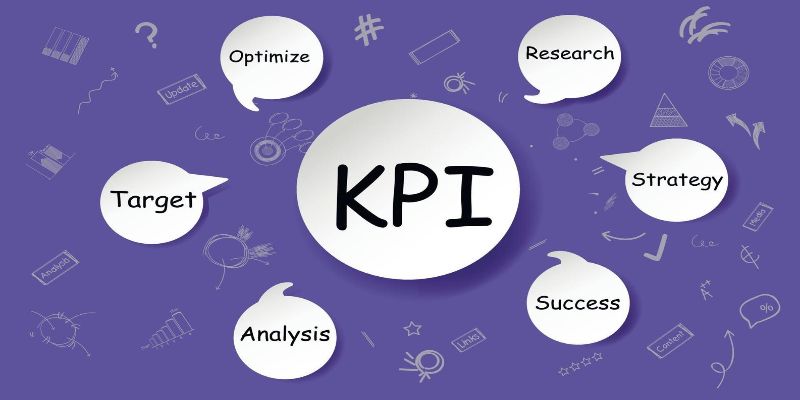
Define the term and its business value
Key performance indicators are the vital signs of your growth engine. In practice, KPI Marketing chooses a small set of numbers that prove progress toward revenue and margin. It reduces opinions to evidence, so strategy debates get shorter and smarter. Fewer metrics mean stronger focus, cleaner dashboards, and decisions that compound returns over time.
Connect objectives, inputs, and outcomes
Great KPI frameworks link business objectives to marketing inputs and customer outcomes. Map outcomes like pipeline and revenue to inputs like reach, engagement, lead quality, and sales cycle time. This chain of custody clarifies how each tactic contributes. When the numbers move, you know which link in the chain changed and why it matters.
Differentiate leading versus lagging KPIs
Lagging KPIs confirm what happened, like revenue booked this quarter. Leading KPIs predict what is likely to happen, like qualified meetings set or free trials started. KPI Marketing uses both: leaders to steer now, laggers to validate later. Balance the mix so your team can act early while still proving long‑term business impact.
Map KPIs to the customer journey
Every journey stage needs a clear signal: awareness, consideration, conversion, and expansion. Assign stage‑specific KPIs such as share of voice, demo requests, win rate, and net revenue retention. KPI Marketing works best when you can see handoffs between teams. That visibility spotlights friction, so you can polish the path to purchase.
Set benchmarks and baseline reality
Before you chase growth, document where you stand. Capture baselines for traffic, cost per lead, conversion rates, average deal size, and time to close. Compare with industry benchmarks, but respect your context. KPI Marketing turns baselines into targets you can actually hit, then pushes them further as your operational muscles strengthen.
How to choose the right indicators and set targets
Not every metric deserves to be a KPI. Choose the few that directly link activity to pipeline health and customer value. Involve finance, sales, and product, so targets reflect market reality, not wishful thinking.

Align KPIs with revenue and margin
Start backward from revenue, margin, and cash. Translate those into marketing KPIs such as qualified pipeline, average order value, and payback period. KPI Marketing keeps the math tight, so leaders see exactly how spend becomes value. When CFOs agree with your definitions, budget debates shift from cuts to investments.
Make targets SMART and time bound
Vague hopes do not guide execution. Set specific, measurable, achievable, relevant, and time‑bound targets by channel and stage. Use rolling quarters to absorb seasonality. KPI Marketing pairs each target with a forecast and confidence band, so leaders can understand risk. If your early indicators wobble, you can course‑correct before the quarter slips.
Select metrics by channel and role
Paid search cares about cost per qualified click and conversion rate. Content teams track engaged sessions, assisted pipeline, and subscriber growth. SDRs watch speed‑to‑lead and meeting acceptance. KPI Marketing clarifies who owns which number and why it matters. That clarity turns handoffs into habits and keeps teams rowing in the same direction.
Balance quantity, quality, and velocity
Volume without quality bloats the funnel and burns sales time. Quality without speed stalls growth. Pick a triad for each stage: quantity (leads), quality (fit and intent), and velocity (time to next step). KPI Marketing thrives when this balance is explicit. Dashboards should show trade‑offs, so teams can tune the mix deliberately.
Document ownership and cadences
Every KPI needs an owner, a review rhythm, and a playbook. Write down definitions, sources, and thresholds for action. Embed weekly reviews into your operating system, and escalate blockers fast. KPI Marketing becomes culture when accountability is routine. For durable process design and tooling, partners like ProEdge provide proven templates and governance.
How to measure, analyze, and optimize campaigns
Measurement earns trust when it is accurate, explainable, and fast. This section covers data foundations, tracking, diagnostics, experimentation, and communication. When teams see the same truth, they improve the work instead of arguing the numbers.

Build a trustworthy data foundation
Unify web analytics, ad platforms, CRM, and finance systems. Standardize naming, time zones, and currency. Create a single repository for definitions and a data model that reconciles discrepancies. KPI Marketing depends on consistent inputs, or you will chase ghosts. Start simple, lock quality, then expand sources as your maturity grows.
Instrument tracking and UTM governance
Adopt a UTM convention that encodes channel, campaign, creative, and audience. Enforce it with templates and QA steps before launch. Tag offline touches via call tracking or QR codes where possible. KPI Marketing collapses without clean attribution. Good hygiene turns messy clickstreams into crisp narratives executives can understand quickly.
Diagnose performance with diagnostic views
Pair executive summaries with drill‑down views for analysts. Build funnels, cohort analyses, and heatmaps that reveal bottlenecks and outliers. Segment by source, message, device, and region to isolate causes. KPI Marketing relies on simple questions and structured exploration, so teams find signal fast and move from symptoms to solutions.
Run experiments and report incrementality
Not every lift is real. Use A/B tests, geo holdouts, or time‑based controls to measure incremental impact. Document hypotheses, guardrails, and decision thresholds before testing. KPI Marketing values learning rate as much as win rate. A small, steady drumbeat of experiments compounds into outsized efficiency and creative breakthroughs.
Share insights and drive accountability
Insights die in slides unless owners act. Summarize what happened, why it happened, and what will change next. Assign tasks, deadlines, and expected KPI shifts. KPI Marketing becomes self‑healing when feedback loops are tight. If you need an enablement layer, ProEdge helps teams adopt the rituals that sustain momentum.
Conclusion
KPI Marketing turns ambition into a measurable operating system the whole business can trust. It aligns strategy with execution, clarifies trade‑offs, and reveals where each dollar works hardest. With clean data, disciplined targets, and tight cadences, growth compounding becomes normal. For frameworks and execution at scale, partner with ProEdge and build a culture of measurable impact.