
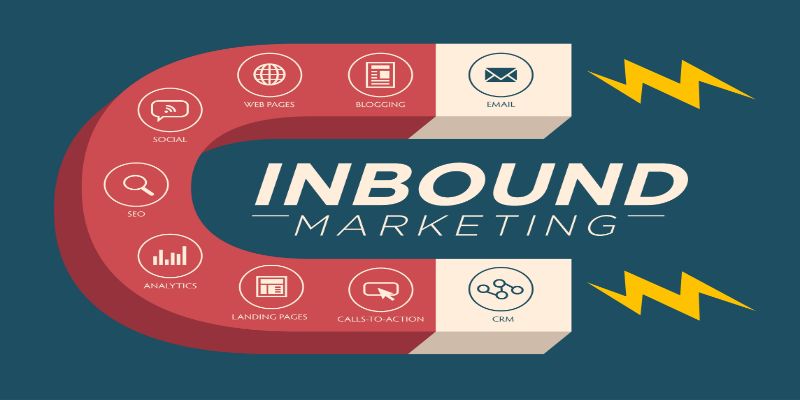
Inbound Marketing aligns helpful content with real buyer intent. It attracts, engages, and delights by solving problems with clarity and timing. You convert attention into trust through data, empathy, and consistent delivery. With strategy and tools from ProEdge, teams translate traffic into qualified demand and durable revenue.
What inbound marketing really means
Modern buyers ignore noise and reward relevance. That is why Inbound Marketing builds trust by being genuinely useful at the exact moment of need. Below are the foundations that turn quiet expertise into compounding growth.

From definition to discipline
Inbound Marketing is a revenue discipline that attracts prospects with valuable content, engages them through personalized experiences, and delights them with meaningful outcomes. It replaces interruption with permission, and guessing with insight. It scales because every asset keeps working after publication, forming a library that compounds authority, leads, and customer love over time.
The difference from outbound
Outbound pushes messages at broad audiences and hopes for attention. Inbound Marketing earns attention by solving specific problems and matching buyer intent. Outbound is rented reach with decaying returns; inbound is owned equity that strengthens each quarter. Smart teams blend both, but anchor budgets in content, SEO, and lifecycle programs that convert consistently.
The flywheel, not the funnel
The funnel ends at purchase; the flywheel accelerates after it. Inbound Marketing uses customer success to power acquisition through reviews, referrals, and expansion. Momentum grows as friction drops across attract, engage, and delight. Every delightful experience adds energy back into the system, lowering acquisition costs and lifting lifetime value together.
Personas and jobs to be done
Personas are useful when they focus on outcomes, not clichés. Inbound Marketing centers on jobs to be done: what buyers are trying to achieve, the obstacles they face, and the progress they seek. Map motivations, anxieties, and success metrics, then design content and offers that move buyers confidently to the next step.
Journey stages and intent signals
Awareness needs education, consideration needs comparison, and decision needs proof. Inbound Marketing connects topics to intent signals across this journey. Early signals are questions; late signals are evaluations and trials. Build content for each stage and route leads by behavior, so sales sees context and marketing personalizes follow-up with precision.
Building an inbound engine: strategy and content
Great programs start with a clear strategy, not random blogs. Inbound Marketing thrives on topic focus, technical SEO hygiene, and compelling offers that earn an email. With guidance from ProEdge, teams ship faster and align content with pipeline, not vanity metrics.

Audit, gap analysis, and prioritization
Start by auditing existing assets for traffic, rankings, conversions, and fit. Inbound Marketing uses gap analysis to find missing stages and topics. Prioritize quick wins that unblock journeys and big bets that build moats. Score opportunities by intent, difficulty, and business impact, then plan sprints that deliver compounding returns.
Topic clusters and internal linking
Clusters organize authority around a core pillar and related subtopics. Inbound Marketing builds a hub-and-spoke structure that answers every angle of a problem. Internal links pass equity, guide discovery, and improve dwell time. Use descriptive anchors, logical hierarchies, and clear navigation so both users and crawlers understand depth and relevance.
On-page SEO and search experience
On-page work is more than keywords. Inbound Marketing optimizes titles, intros, schema, and media to match search intent. It reduces clutter, speeds pages, and structures content for scanners and deep readers. Add FAQs, comparison tables, and clear headings. Always measure how changes affect rankings, engagement, and conversions, not just impressions.
Offers, CTAs, and lead capture
Traffic without capture is lost opportunity. Inbound Marketing pairs every article with a relevant offer: checklists, calculators, or demos. Position CTAs contextually and test formats, copy, and placement. Ask for minimal fields at first, then enrich later. Align lead magnets with product value, so the next step feels natural and helpful.
Email nurturing and progressive profiling
After capture, deliver timely, value-led sequences. Inbound Marketing uses behavior to personalize cadence, topics, and offers. Start with education, shift to evaluation, then present proof. Use progressive profiling to reduce form friction while learning needs and timelines. Keep messages short, scannable, and plainspoken, and let intent, not guesswork, drive every outreach.
Measurement, technology, and optimization
What gets measured improves. Inbound Marketing links content to pipeline with clean data, well-tuned automation, and honest attribution. The goal is not vanity growth but efficient growth, where every iteration sharpens experience, reduces friction, and compounds results across the flywheel.

Kpis that matter for sustainable growth
Track leading and lagging indicators together. Inbound Marketing watches search visibility, qualified sessions, newsletter growth, and content-assisted conversions. Tie form fills to opportunities and revenue, and segment by channel, persona, and stage. Build dashboards that spotlight bottlenecks and wins, so weekly standups focus on actions, not arguments.
Attribution, influence, and reality
Attribution is imperfect, so triangulate. Inbound Marketing blends model-based reporting with qualitative signals like self-reported attribution and call notes. Look at first touch, last touch, and multi-touch trends, then make decisions using directional evidence and experiments. Treat content as an ecosystem, not a silo, and fund programs that repeatedly move pipeline.
Automation, crm hygiene, and handoffs
Automation increases relevance when data is clean. Inbound Marketing depends on a CRM with consistent fields, lifecycle stages, and clear ownership. Define MQL and SQL criteria, enrich records, and orchestrate handoffs with alerts and SLAs. Align messaging between marketing and sales so prospects experience one coherent conversation, not fragmented pings.
Conversion rate optimization across journeys
Small lifts compound into big wins. Inbound Marketing tests headlines, layouts, CTAs, and forms, but also evaluates offer-market fit and timing. Analyze scroll maps, session replays, and search terms. Fix friction first, then polish persuasion. Document hypotheses, run clean experiments, and keep learnings accessible so future creators build on proven patterns.
Revenue operations and team alignment
Growth accelerates when teams share goals, data, and definitions. Inbound Marketing thrives under RevOps, where marketing, sales, and success plan together. Hold regular pipeline reviews, standardize stages, and clarify service level expectations. Share content feedback loops from sales calls, and let customer success inform retention content that powers new acquisition through advocacy.
Conclusion
Inbound Marketing works because it respects how people buy: with curiosity, comparison, and proof. When strategy, content, and data align, trust compounds and costs fall. Partnering with experts like ProEdge helps teams operationalize momentum and measure what matters. Keep improving small details, and the flywheel will carry growth forward.