
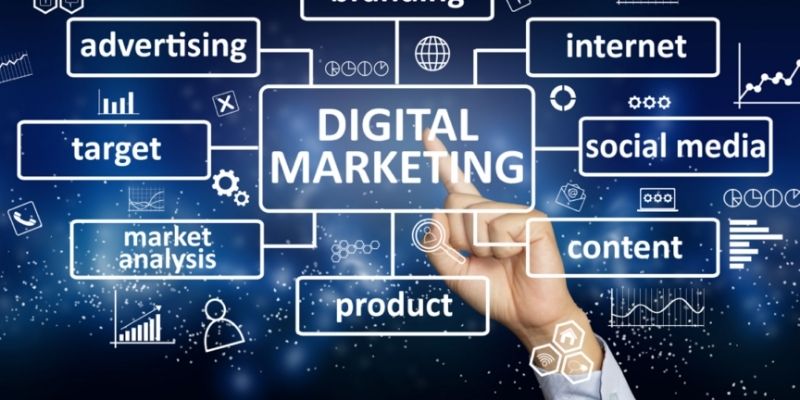
Digital Marketing is now the growth engine for companies competing in a connected world. This article explains what it is, how it differs from traditional promotion, and why it matters today. We also break down core channels, benefits, and practical steps to start smart. For tailored planning and execution, consider expert support from ProEdge Marketing.
What Is Digital Marketing and Why It Matters to Businesses
At its core, Digital Marketing uses online channels to attract, convert, and retain customers. It blends data, creativity, and technology to reach people at the right moment. Done well, it compounds results across the entire customer journey.

The concept of digital marketing in modern business
Today’s buyers research, compare, and buy across devices and platforms. Digital Marketing meets them where they are with relevant messages and offers. It unites content, search, social, email, and ads into one system. The goal is efficient growth powered by data and continuous learning.
How it differs from traditional promotion
Offline media casts a wide net with limited targeting and tracking. Online efforts can segment audiences by intent, behavior, and demographics. With Digital Marketing, you can personalize at scale and optimize in real time. Budgets shift quickly toward what works, not what once worked.
Why going digital matters more each year
Customer journeys are now nonlinear and always-on. Search, reviews, and social proof influence decisions at every step. Brands that adapt win attention at lower cost and higher speed. Those that do not face rising acquisition costs and stalled growth.
The Business Benefits of Going Digital
Moving budget online can improve reach, relevance, and return. Digital Marketing reveals what drives results and what does not. That clarity helps leaders fund winners and cut waste with confidence.

Reach broader audiences across online touchpoints
Search engines, social feeds, marketplaces, and apps unlock new demand. With Digital Marketing, you can target by keywords, interests, and intent. Lookalike and remarketing tactics scale reach with precision. International expansion also becomes faster and less risky.
Optimize spend compared to traditional tactics
Online channels allow small tests before big bets. You can cap bids, set frequency, and pause underperformers in minutes. Creative and landing pages change fast, lowering production costs. Savings compound as you move from mass media to measurable media.
Easier measurement and analysis
Dashboards connect campaigns to revenue and pipeline. Teams see which channels and messages convert best by segment. Cohort and attribution models guide smarter allocations. Decisions improve because they rely on facts, not guesses.
Build brand equity and credibility faster
Thoughtful content educates prospects and earns trust. Reviews and testimonials provide powerful social proof. Always-on community engagement keeps your brand top of mind. With Digital Marketing, visibility and authority grow together.
Digital Channels Your Business Should Use
No single channel wins all the time. Blend owned, earned, and paid media to diversify risk. Use analytics to align mix and budget with your goals and market.

SEO and content marketing
SEO captures high-intent traffic and compounds over time. Pair it with educational content that solves real problems. Digital Marketing programs thrive when content maps to each funnel stage. Update pages often and earn quality links to protect rankings.
Social media marketing
Social platforms build community and accelerate discovery. Short videos, carousels, and live streams boost engagement. Organic reach pairs well with targeted paid promos. Consistent voice and visuals make your brand recognizable and trusted.
Email marketing
Email remains a top channel for retention and ROI. Segment by behavior, lifecycle stage, and purchase history. Personalize subject lines, offers, and send times to lift results. Automations nurture leads while your team sleeps.
Online advertising (paid search, social, and display)
Paid media delivers speed, control, and scale. Test messages and audiences, then double down on winners. Use remarketing to re-engage high-intent visitors. Align landing pages to ad promises to protect quality scores and CPCs.
Key Considerations When Rolling Out a Program
Strong planning prevents wasted spend and misaligned metrics. Digital Marketing works best with clear goals and clean data. Build a roadmap, then iterate based on evidence, not hunches.
Define specific, measurable marketing goals
Every successful Digital Marketing initiative starts with well-defined goals. Instead of vague ambitions like “increase traffic,” businesses should set specific targets related to revenue growth, lead generation, customer acquisition cost (CAC), or lifetime value (LTV). Establishing clear KPIs and timelines before launching campaigns helps teams track progress accurately.
Know your target customers deeply
Map personas, pains, triggers, and decision criteria. Audit search terms, forums, and reviews to hear real language. Use these insights to shape offers and messages. Revisit personas often as markets and buyers evolve.
Combine multiple channels for better results
Search fuels demand capture, while social fuels demand creation. Email nurtures interest that ads and content spark. Orchestrate touchpoints so they reinforce one another. Integrated journeys convert better than isolated tactics.
Track performance and optimize continuously
Another key consideration when implementing Digital Marketing programs is the ability to monitor performance and improve strategies over time. Analytics tools allow businesses to measure traffic sources, engagement levels, conversion rates, and return on investment.
Regularly reviewing this data helps identify which tactics are delivering results and which areas need adjustment. By testing new headlines, visuals, offers, or landing page designs, companies can gradually refine their campaigns.
Conclusion
Digital Marketing plays a crucial role in helping brands connect with customers at every stage of their online journey—from researching products to making purchase decisions. Successful businesses focus on the channels where their audience is most active, measure meaningful performance metrics, and continuously refine their strategies.