

Content marketing helps buyers discover, understand, and trust your brand through useful stories instead of interruptions. In this guide, we unpack definitions, frameworks, and tactics that turn ideas into outcomes. You will see how strategy, creation, and distribution connect to revenue without fluff. Examples and checklists reflect the approach we use at ProEdge for ambitious marketing teams.
What is content marketing today
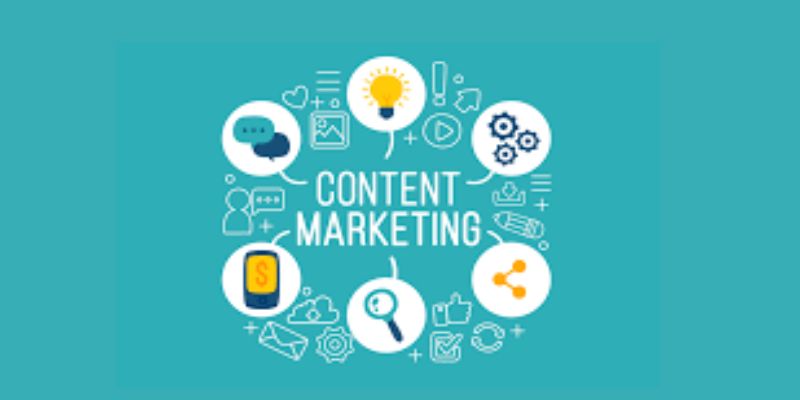
Modern content marketing blends research, storytelling, and distribution to solve buyer problems at scale. It aligns messages with intent, so each touch answers a real question. When teams commit to consistency and measurement, the practice compounds reach, credibility, and pipeline over time.
A buyer-first definition
Content marketing is the consistent practice of publishing and promoting helpful, relevant material that solves buyer problems at every stage of their journey. It earns attention rather than renting it. The goal is qualified demand and loyalty, not mere clicks. Done well, it lowers acquisition costs and builds durable advantage across search, social, email, and sales enablement.
How it differs from advertising
Advertising interrupts and pays for temporary visibility. Content marketing attracts through substance, meeting demand that already exists or nurturing demand that is emerging. Ads stop when budgets pause, but strong libraries keep working. The most resilient programs blend both, using ads to amplify best content, accelerate testing, and generate learnings that improve organic performance.
Core components and pillars
Winning programs combine clear objectives, audience insight, strategic pillars, and documented processes. Pillars translate positioning into themes that organize topics, formats, and keywords. Content marketing then operationalizes research, briefs, production, quality assurance, and distribution. Finally, analytics map activity to outcomes, from visibility and engagement to pipeline and revenue, enabling continuous improvement and sharper budget decisions.
B2b and b2c nuances
B2B content often tackles complex problems, longer cycles, multiple stakeholders, and higher stakes. B2C content usually targets faster decisions, emotion, and lifestyle alignment. Both require clarity, empathy, and trust. Content marketing adapts tone, channels, and offers to context. In B2B, white papers, webinars, and case studies shine; in B2C, social video, guides, and community moments often outperform.
Myths to avoid
It is a myth that content marketing works only for long timelines. It can drive short-term impact with product-led assets, conversion pages, and sales enablement. Another myth claims quantity beats quality; in reality, consistent quality wins. Finally, assuming content equals blogs ignores rich formats like tools, data stories, calculators, and interactive demos that advance decisions faster.
Building a strategic content engine
Effective programs run on strategy, not sporadic posts. Define the audience, clarify the message, choose pillars, and set realistic cadences. Content marketing thrives with collaboration, where subject-matter experts, writers, designers, and distribution partners move in lockstep.

Audience research and insight
Start with jobs to be done, pains, and triggers. Interview customers, analyze win and loss reasons, and mine search data for language buyers already use. Map questions to stages, from problem discovery to solution selection and onboarding. Content marketing earns trust by mirroring that language, addressing objections honestly, and guiding the next step with clarity, not pressure or hype.
Topic clustering and pillars
Organize ideas into clusters anchored by pillar pages that define a space comprehensively. Each pillar supports related articles, videos, and tools that interlink. This improves navigation, signals topical authority to search engines, and clarifies priorities for creators. Content marketing gains compounding returns when clusters align with commercial intent, internal expertise, and durable themes rather than fleeting trends.
Editorial calendar and workflows
Translate strategy into a visible calendar with owners, timelines, and status. Use briefs that define audience, angle, outline, SEO targets, and success criteria. Build review loops for subject experts and legal when needed. Tools and partners streamline intake, production, and approvals, so momentum holds steady even as volumes grow and campaigns overlap.
Multichannel distribution and repurposing
Publish once, distribute many times. Turn a research report into articles, social threads, short videos, webinar talking points, and sales slides. Match format to channel behavior and intent. Content marketing multiplies reach by tailoring snippets per platform while pointing back to the canonical asset. Repurposing protects budgets, boosts frequency, and meets buyers where they prefer to engage.
Measuring content marketing performance
You cannot improve what you do not measure. Clarify which outcomes matter most, then track leading and lagging indicators. Content marketing reveals value across stages, so avoid fixating on vanity metrics alone. Instead, connect visibility, engagement, and conversion signals to pipeline and customer health.

Funnel mapping and metrics
Start with a journey map linking content to discover, evaluate, and decide stages. Top-of-funnel metrics include impressions, rankings, and new users. Mid-funnel tracks scroll depth, time, return visits, and content-influenced leads. Bottom-of-funnel examines demo requests, sales velocity, and win rates. Content marketing also shapes post-sale outcomes through onboarding guides, adoption playbooks, and customer education.
Seo, intent, and quality signals
Monitor queries, positions, click-through rate, and coverage of intent across clusters. Evaluate pages for expert depth, internal linking, and answer clarity. Improve titles and intros to match searcher expectations. Content marketing wins durable rankings by serving intent better than alternatives, not by chasing keywords alone. Use structured data, helpful visuals, and accessible writing to increase comprehension and trust.
Engagement, readiness, and scoring
Track engagement that indicates readiness, not just consumption. Patterns like multi-page visits, return frequency, and high-intent pathing matter more than raw views. Collaborate with sales on fit and behavior scoring, weighting decisive assets such as comparison pages, ROI tools, and case studies. Content marketing becomes revenue-centric when analytics flag next best actions for marketing and sales teams.
Attribution that informs decisions
No model is perfect, so triangulate. Use first-touch to understand discovery, last-touch for conversion levers, and data-driven models to capture assists. Combine self-reported attribution with analytics to reveal dark social and word-of-mouth. Content marketing deserves credit for enabling conversations, not only form fills. Let attribution guide budget, but validate with controlled tests and cohort analysis.
Conclusion
Content marketing turns expertise into a dependable growth engine by aligning ideas with buyer intent and measurable outcomes. With clear pillars, consistent production, and smart distribution, teams build authority that compounds across channels. When analytics guide refinement, results improve quarter after quarter. For programs that scale with confidence, partner with specialists like ProEdge who build systems, not just assets.